Toolkit: Reflective practice and models of reflection

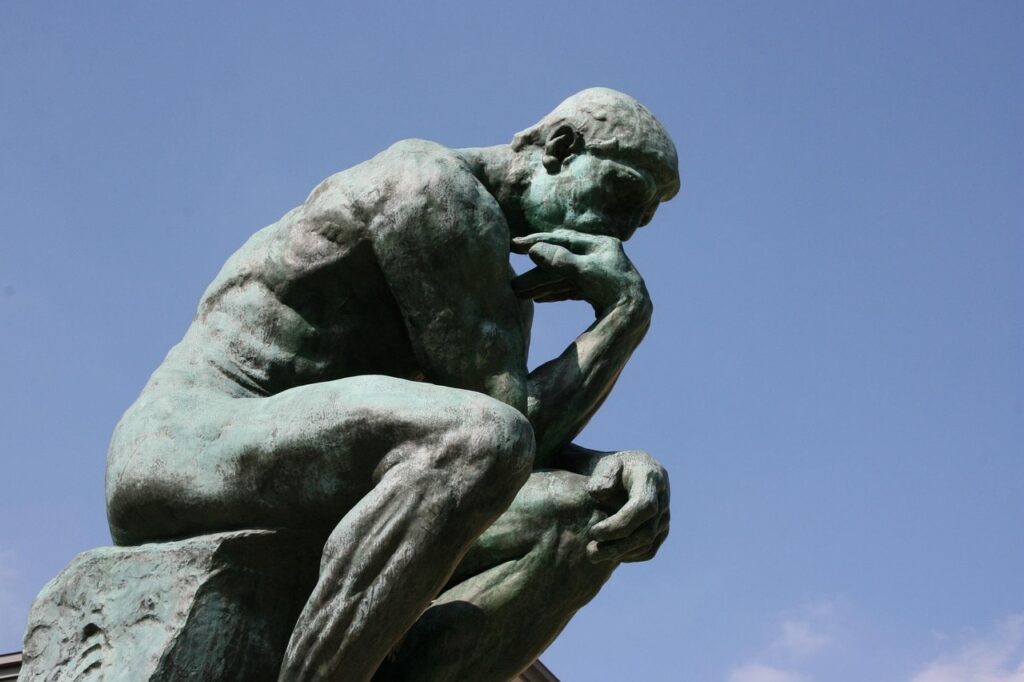
Reflection is an important process in learning and professional development – and is a requirement of some CIPR professional assignments.
It is an implicit requirement in the supporting statements in the three CIPR Professional PR Diploma assignments, and it is an explicit requirement in the Unit 2 assignment (with italics added for emphasis):
‘A statement of personal reflection which:
- includes your rationale for selecting the topic of inquiry;
- applies one or more models of reflection relevant to PR practice.’
To assist with this requirement, here is a simplified account of reflective thinking followed by four well-known models of reflection.
First, some key terms.
- Reflective thinking: Reflective thinking is a form of critical thinking that reflects on experiences and learnings. This thinking process, popularised by US philosopher John Dewey in his book How We Think, requires introspection and can improve decision-making and problem-solving processes.
- Critical thinking: A related concept, critical thinking involves questioning, analysing and interpreting what you read, hear, say or write. For example, can you identify any biases or gaps in the information provided?
- Reflexive thinking: Reflexivity involves looking inward upon our own actions, thoughts, feelings, values, identity, and their effect upon others.
- Reflective practice: Reflective practice is the process of learning from experience to gain new insights about yourself and your practice.
At its simplest, reflection breaks down learning into three stages, usually represented as a cycle as learning has to be a continuous process rather than a linear process leading to the ‘right’ answer.
1. Experience. What happened?
2. Reflection. So what?
3. Learning. Now what?
Heather Yaxley adds two more questions in this prompt sheet for reflective practice.

Reflective practice encourages an approach to learning that is more about the process than the outcome in order to build good habits and encourage continuous improvement.
There are several well-known models of reflection used in education and professional contexts.
Kolb’s experiential learning model
This is a four-stage model describing how people create knowledge from experience. It includes four different learning styles (diverging, assimilating, converging and accommodating).

Johns model of reflection
A structured approach designed for nurses but since applied to different professional contexts.

Gibbs reflective cycle
This is a six stage process.

Atkins and Murphy model
This addresses criticism of previous models such as Gibbs by encouraging deeper thinking about one’s actions and by considering how personal beliefs and knowledge might have influenced decisions.

Professional development in public relations
These models were developed for education or nursing and have since been applied to different professional contexts.
Heather Yaxley is one author who has explicitly written about sustainable professional development from a PR and comms perspective.
In a 2015 ebook chapter, she presciently warned about the need to keep ahead of the robots by developing a learning culture. She also advised individuals to take control of their professional development.
‘Professional careers are in a period of transition with greater flexibility of movement, reduced stability of employment, increased work-life pressures and changes arising from new and emerging technologies. Commitment to professional development and career progression has shifted in emphasis from the organisation to the individual.’
Career opportunities will require individuals to evidence their achievements, demonstrate sustainable professional development and a commitment to life-long learning.