Party conference season: Five lessons for public affairs professionals
About the author

Dr Stuart Thomson Chart.PR advises clients on all elements of their public affairs strategies including corporate communications and reputation management issues. He is course leader for our public affairs qualifications.

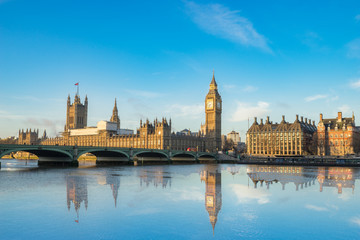
View of Westminster Palace and river Thames, London. By jovannig

The annual party conference season is nearly over for another year. But beyond the speeches, announcements and receptions, what lessons should public affairs professionals take into 2027?

1. Prepare for the announcements

The days of major policy announcements being surprises are largely over. Leaders’ speeches are extensively trailed, with key announcements appearing in the media in the days and weeks before. For public affairs professionals, that’s an opportunity. If an announcement matters to your organisation or client, you should be ready to respond, react or engage. Don’t wait until the speech is delivered to start thinking about your position.

2. Watch the fringe, and the reaction

Some of the biggest conference stories don’t come from the main stage. Take Labour minister Jenny Riddell-Carpenter’s comments about black Labradors and a nostalgic vision of rural Britain. Made at a fringe event, they generated considerable media coverage and online reaction, eventually becoming a talking point at the Conservative conference too. What is the lesson?

Monitor what’s happening beyond the official programme, follow the online reaction and recognise how quickly a seemingly minor comment can develop into a significant political story.

3. Creativity gets attention

Every party is competing for attention. The Conservatives’ Birmingham Tapestry, a modern political take on the Bayeux Tapestry, certainly achieved that. One clever element was including political journalists in the artwork. Unsurprisingly, journalists shared photographs and discussed it. There is a valuable media relations lesson here – give people something interesting, engaging and personally relevant, and they may help amplify your message.

4. The political landscape is changing

Recent election results and polling suggest that public affairs can no longer concentrate on just two or three party conferences. But attending more conferences requires time, capacity and budget. Do you have them? Could you collaborate with others to secure broader coverage? What political engagement does your organisation or client actually need? And if electoral reform eventually changes the voting system, how might that reshape your approach? These are strategic questions worth considering now.

5. Look beyond Westminster

Political parties are not simply collections of MPs, MSPs or MSs. Conferences bring together councillors, mayors, activists, advisers, party officials and emerging political leaders. They provide opportunities to understand internal relationships, emerging priorities and where influence really sits. In England especially, the growing powers of Mayors and Combined Authorities make this wider engagement increasingly important.

Party conferences are not simply events to attend. They are opportunities to gather intelligence, build relationships, network, understand political change and position your organisation for what comes next.

The real value comes from what you do before, during and, crucially, after conference season. It takes time and effort. It needs to be planned, executed and budgeted for. These are just a few of the reasons why the extended party conference season is an important part of the public affairs calendar.

Sign up to our newsletter for more insights


Stuart is course leader for our Chartered Institute of Public Relations Specialist Diploma: Public Affairs and our PRCA Diploma in Public Affairs Management.

See our Complete Guide to CIPR Qualifications